
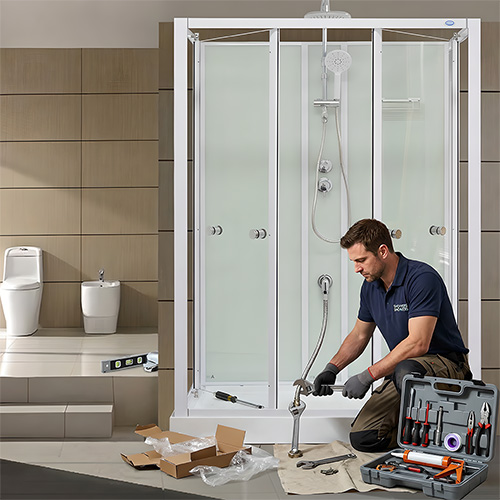
Are Fully Enclosed Showers Easy to Install?
If you’re thinking about remodeling your bathroom, one option you might have considered is adding a fully enclosed showers. These showers come in a range of forms and sizes and are intended to give a pleasant and easy showering experience. Nevertheless, if you’re a DIYer, you might be wondering if you have the skills and expertise required to install one of these showers yourself. In this post, we’ll look into whether completely enclosed showers are simple to install for DIYers.
Table of Contents
1. Introduction
Because of their convenience and luxury characteristics, fully enclosed showers are becoming increasingly popular. These showers are available in a number of styles and sizes, ranging from modest corner units to huge walk-in enclosures. They have various advantages over standard showers, including easier maintenance, reduced water use, and a more luxury bathing experience.
Many individuals, however, worry if these showers are simple to install, especially if they have no plumbing or building knowledge. In this post, we’ll look at the benefits and drawbacks of totally enclosed showers, as well as whether they’re a realistic alternative for DIYers.
2. What are fully enclosed showers?
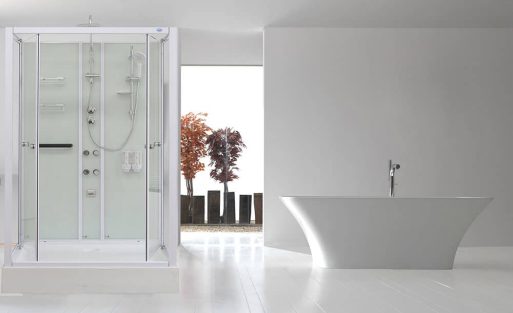
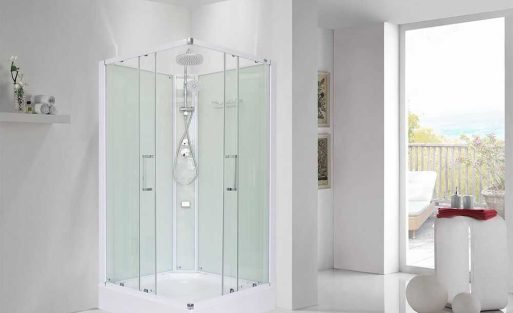
When you choose a completely enclosed shower, you will have a self contained unit that includes all the essential elements of a shower, including the shower head, faucet, and drain. From rectangle or square to curved or oval, these showers are available in a variety of sizes and styles. Typically, they are comprised of acrylic or glass panels, held in place by a metal frame or supports.
Fully enclosed showers are a great option for those looking to update their bathroom without taking on a major remodeling project. They are designed to be easy to install and maintain, making them a practical choice for many homeowners.
3. Advantages of fully enclosed showers
A fully enclosed shower has a number of benefits over a conventional shower or bathtub. They consist of:
- Self-contained showers are convenient since they are simple to install and maintain. They are perfect for bathrooms with limited space since they take up less area than a typical shower or bathtub.
- Water efficiency: When you use fully enclosed showers, you can save money on your water bill and reduce your impact on the environment by using as little water as possible.
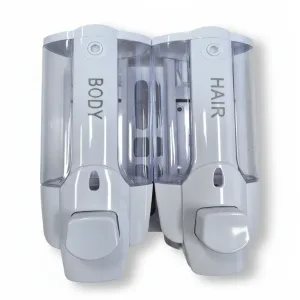
- Showers frequently include opulent amenities like water efficient shower heads, shampoo dispensors, and back spa jets.
- Manufacturers design showers to be easy to clean as they do not have any grout or tile that requires scraping. For individuals who don’t want to spend a lot of time cleaning their bathroom, this makes them a desirable alternative.
4. Disadvantages of fully enclosed showers
Although totally enclosed showers provide numerous benefits, there are also some possible disadvantages to take into account. They consist of:
- Cost: Completely enclosed showers may be somewhat more expensive or around the same price as standard showers or bathtubs.
- Showers come in a variety of sizes and styles, but there are restrictions on how much personalisation you can make.
5. Can DIYers install fully enclosed shower?
The ability of an individual to install a fully enclosed shower themselves depends on their experience and comfort level with plumbing and construction work. Although it may be easier to install than a traditional shower or bathtub, installing a fully enclosed shower still requires basic knowledge of plumbing work. Those who choose to undertake this project must obtain necessary tools and materials such as a level, drill, and plumbing supplies. It is also essential to carefully read and follow the manufacturer’s instructions to ensure a successful installation.
However, if someone is not confident with plumbing or construction work, it is advisable to seek the services of a professional installer. By hiring a professional, you can be confident that the job will be done properly, minimizing the risk of costly mistakes or damage to your bathroom.
6. Tools and materials required for installation
If you decide to install a fully enclosed shower yourself, you’ll need to gather the necessary tools and materials. These may include:
- Shower kit
- Level
- Measuring tape
- Pipe cutter or hacksaw
- Wrenches and pliers
- Screwdrivers
- Plumbing supplies (such as P-traps and water supply lines)
It’s important to carefully read the manufacturers instructions to ensure that you have all the necessary tools and materials before beginning the installation process.
7. Steps for installing a fully enclosed shower
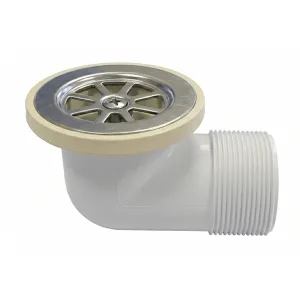
When you want to install a fully enclosed shower, the process will depend on the specific model you have. There are several general steps involved in the installation process. Firstly, you need to remove any existing fixtures or fittings in the area where you plan to install the shower. Once that’s done, you should install the drain and P-trap, ensuring they are properly aligned and sealed. The next step is to install the shower tray, ensuring that it is level and adequately supported by adjusting the adjustable feet below.
Once you have installed the shower tray, the next step is to install the showerhead and faucet, connecting them to the water supply lines. After that, you should install the back and side panels, creating a watertight seal using the tongue and groove profile on the frame. Finally, you can install the front panel or door section. To make sure the installation is complete, you should test the shower to ensure that it is working properly and there are no leaks.
8. Tips for successful installation
Here are some tips to help ensure a successful installation of your fully enclosed shower :
- Read the manufacturer’s instructions carefully before beginning the installation process.
- Make sure that the shower is level and properly supported.
- Test the shower thoroughly before using it to ensure that it is working properly and that there are no leaks.
9. Common mistakes to avoid
Here are some common mistakes that DIYers should avoid when installing a fully enclosed shower :
- Failing to properly level the shower tray.
- Installing the showerhead and faucet incorrectly, that can result in leaks or poor water pressure.
- Failing to properly align and seal the drain and P-trap.
10. Frequently asked questions (FAQs)
- How much time does it take to install a fully enclosed shower?
The installation time for a fully enclosed shower varies depending on the shower’s make and model, as well as the installer’s level of experience. Typically, the installation process takes several hours to complete.
- What tools do I need to install a fully enclosed shower?
To install a fully enclosed shower, you will need basic plumbing and construction tools such as a drill, screw driver, and level.
- Can someone without plumbing or construction experience install a fully enclosed shower?
Although it is possible to install a fully enclosed shower without experience, it is important to have a basic understanding of plumbing and construction work. If you don’t have experience in these areas, it is advisable to hire a professional to ensure that the installation is successful.
- Can a fully enclosed shower be installed in any bathroom?
Because showers come in a variety of sizes and styles, it is important to choose one that fits your bathrooms floor plan and layout. You must also ensure that your bathroom has the necessary plumbing and electrical connections to support the shower.
- Are fully enclosed showers more expensive than traditional showers or bathtubs?
Fully enclosed showers come in different makes and models, but they usually cost the same as traditional showers or bathtubs. They also provide numerous benefits, including a sleek and contemporary look, effortless upkeep, and enhanced water efficiency.
Conclusion
Constructing a fully enclosed shower can be an excellent option for individuals who want to improve the functionality and aesthetics of their bathroom. Though it requires some fundamental plumbing and building expertise, it may be a less complex process than installing a conventional shower or bathtub. By adhering to the manufacturer’s instructions and taking the necessary precautions, you can construct a fully enclosed shower that suits your preferences and enhances the value of your home.

Add comment
You must be logged in to post a comment.